











How to Make a Podcast: A Step-by-Step Guide for Beginners
Blog: Blog | Process Street | Compliance Operations Platform
Learning how to make a podcast can feel like a huge technical leap, but it is really just a process you can run from start to end each time you want to write, record, and publish a new episode. This step-by-step guide works for first-time podcasters and veterans alike, and it walks beginners through the whole journey: planning and recording, formatting the audio, publishing to the major directories, and earning your first listeners. None of it requires a recording studio or a sound engineering degree, only a clear process you follow every time you hit record.
The approach here pairs a sound engineer and audio editor’s perspective on what actually matters in audio with four battle-tested checklists. The first, the Podcast Publishing Checklist, was built in-house at Process Street, and three more were written by the fantastic James Schramko from SuperFastBusiness, a man who truly knows his stuff about sound. We first saw those three checklists in the blog post The Formula for Creating a 1,000,000 Download Podcast on OkDork.
Plan and Record Your Podcast: The Publishing Checklist Approach
Before you touch a microphone, decide what your show is about, who it is for, and how long a typical episode should run. A focused premise is what keeps listeners subscribing after episode one, and clarity and consistency beat expensive gear every time. For recording, a decent USB microphone, a quiet room, and free editing software are enough to start.
The Podcast Publishing Checklist is a broad overview and a general DIY guide: a process you can run from start to end each time, containing useful tips from real experience as a sound engineer and audio editor. It works for first-time podcasters learning how to make a podcast and for veterans who want a repeatable system, so nothing gets skipped between the idea and the finished recording. Get the Podcast Publishing Checklist and run it on every episode.
Format Your Episodes Like a Pro
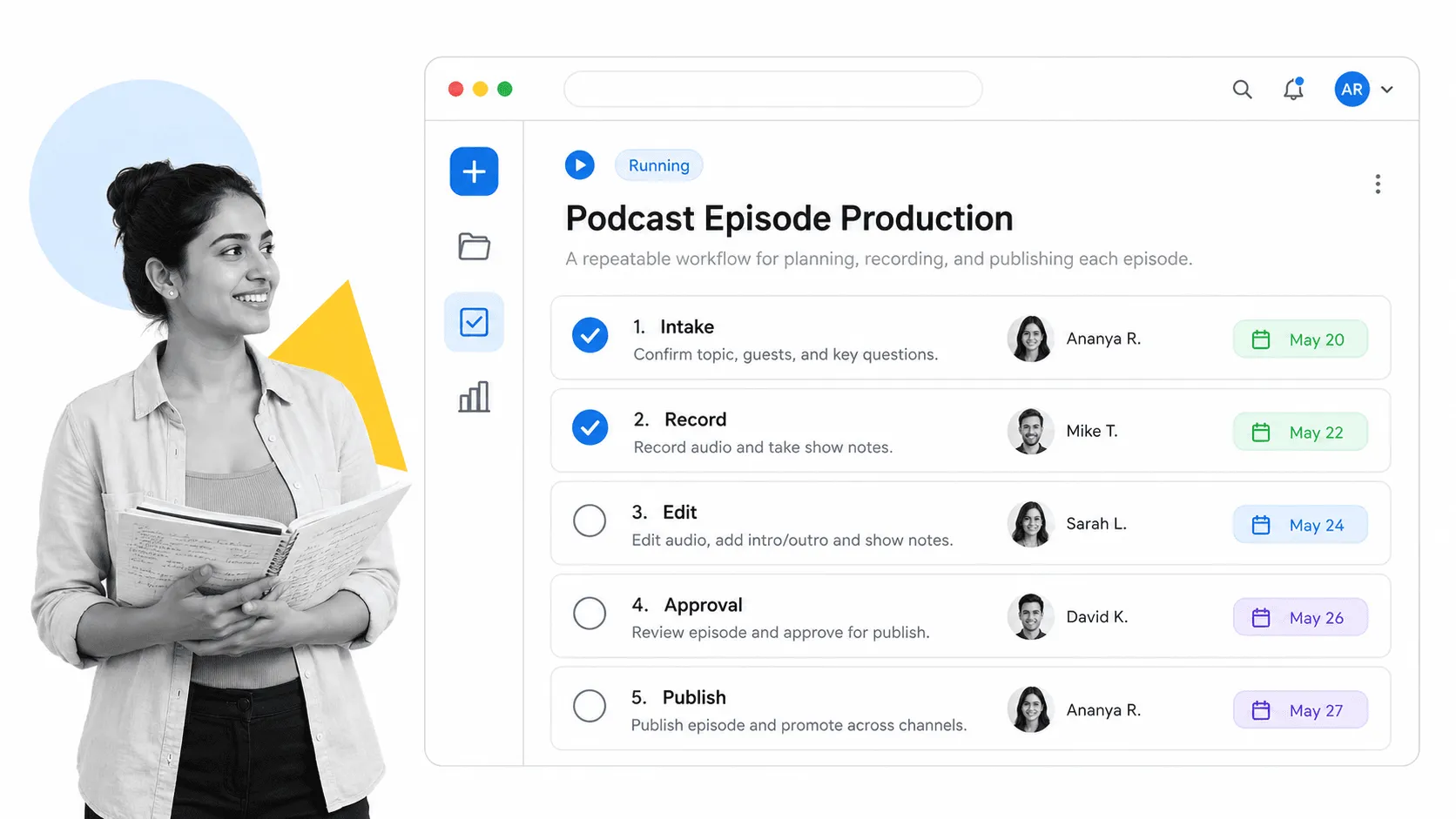
Once an episode is recorded, formatting is where it starts to sound professional. The Podcast Formatting Checklist lists the elements of successful podcasts so you can add a touch of professional sheen to every episode. You are free to edit the template and suit it to your own needs by drag-and-dropping the tasks, editing the names, and adding content and comments. You can also share it with anyone who helps you edit and track their progress.
For intro music, check out the royalty-free resources at the Free Music Archive. As for funny audio grabs, you will likely come across these as you record your episodes, so be on the lookout for anything you can sample. You might not have enough material in your first episode, but do not worry, your library grows fast. Listeners who once discovered shows through legacy directories like the old Stitcher app, and those who subscribe through modern apps today, all expect the same clean, consistent structure. Get the Podcast Formatting Checklist to make that polish repeatable.
Publish to Apple Podcasts and Spotify
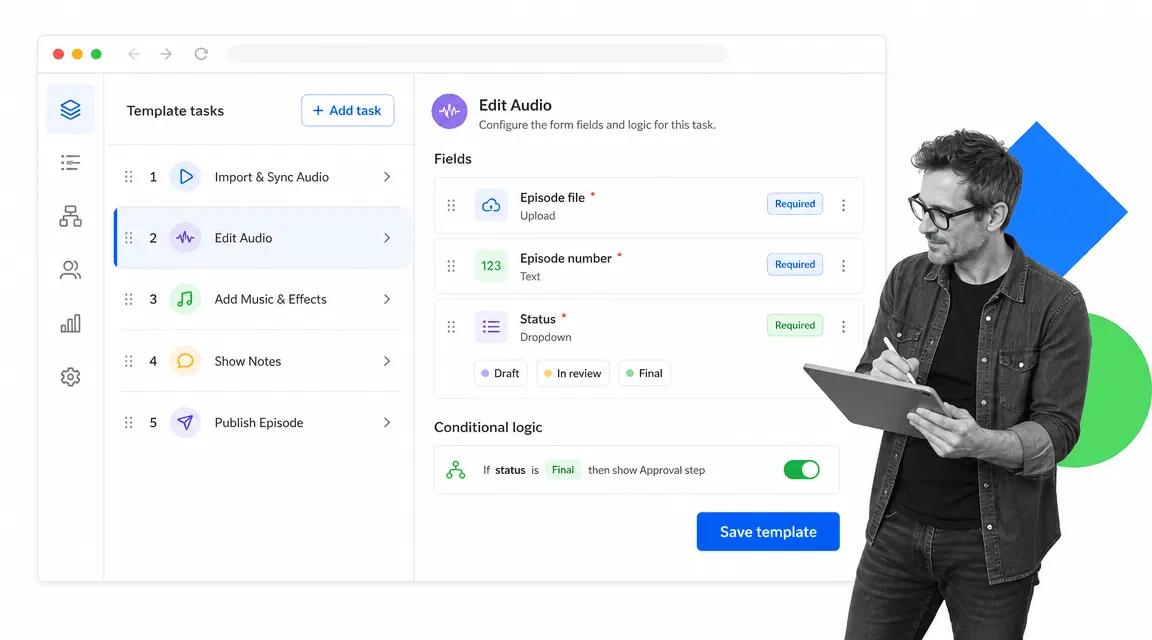
The journey from concept to publishing can seem long, but using checklists written by someone with a refined and efficient process makes it a ton easier. You will need cover art, a show description, and a podcast host that generates your RSS feed, which is what you submit to each directory. The process includes targeting your podcast at the right people by using correct categories, as well as useful podcasting tools for tracking your downloads and more.
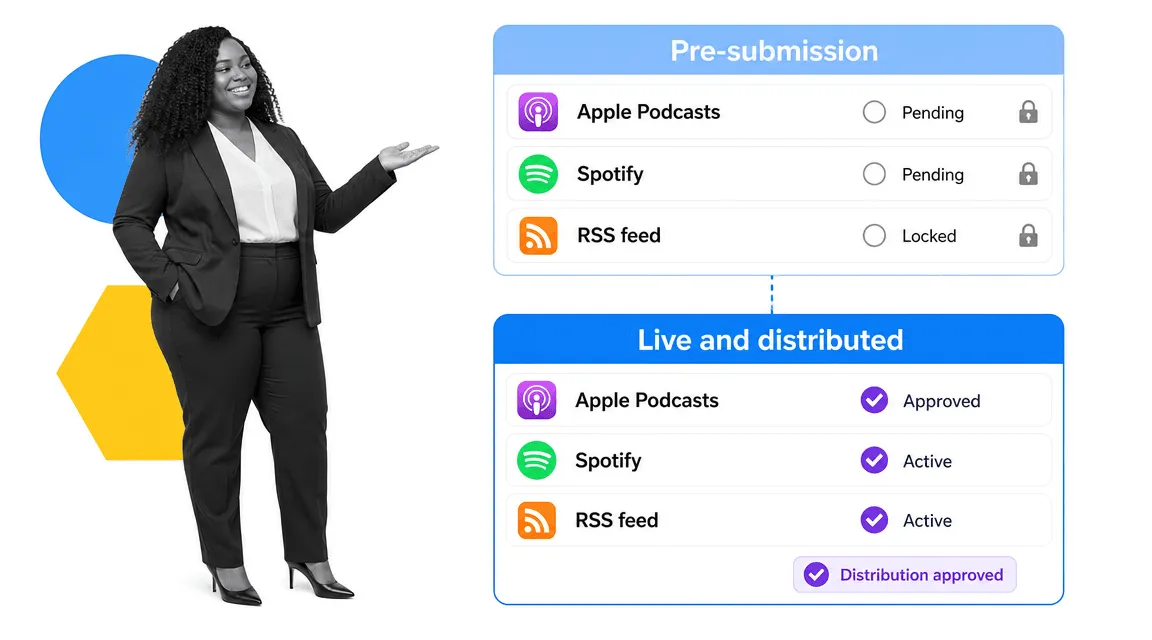
What used to be framed as getting your podcast live on iTunes is now publishing to Apple Podcasts and Spotify, the two platforms where most listeners will find you. Spotify for Podcasters and Apple Podcasts for Creators both walk you through submission, and Harry Duran of Podcast Junkies has shared the full stack he uses to host and grow a long-running interview show. There are some unexpected steps, so be ready to make a few changes to your podcasting routine. Do not worry, it is sure to make a positive impact. The Get Your Podcast Live on iTunes checklist keeps every submission requirement in one place.
Get Your First 100 Podcast Listeners
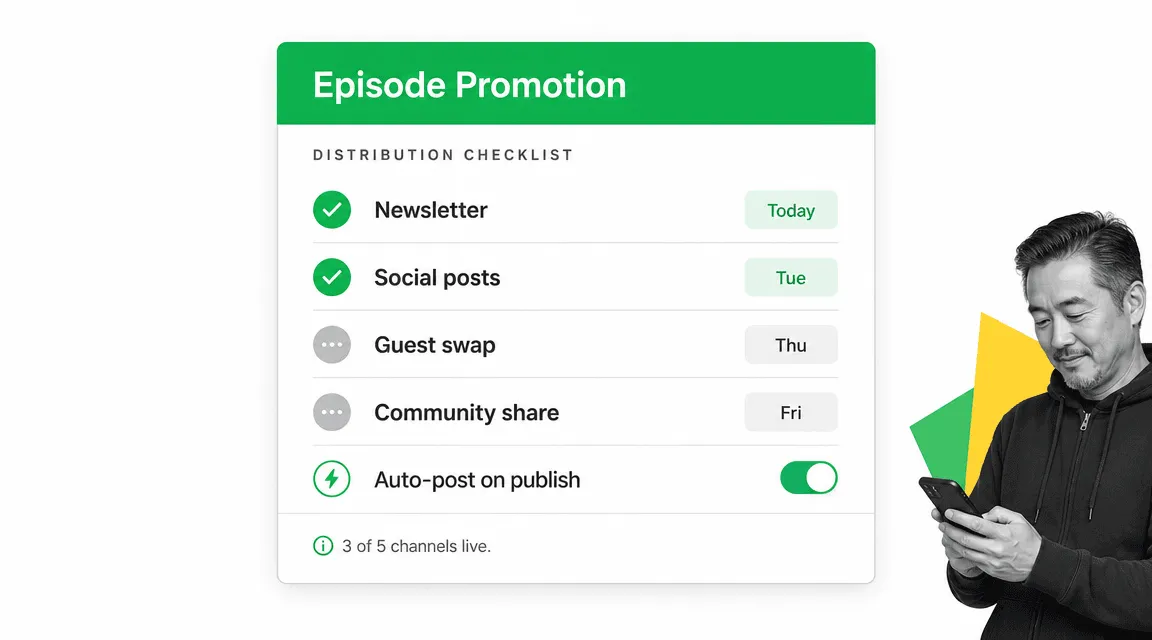
Once you have got the recording and publishing done, it is time for the promotion. Maximize the 80/20 principle, as explained by Beatriz Arantes, and make sure that all of your efforts do not go unnoticed. Tap your existing network first, ask early listeners to share, and guest on other shows in your niche to borrow their audience.
These first 100 listeners are a real achievement, because consumers who get in at the ground level are likely to follow you as you release more content. Think about it: how comfortable would you be coming into a TV show at season 5, episode 6? Your first listeners will not have to catch up, and they can become the founding members of your core listenership as time goes on. The Get Your First 100 Podcast Listeners checklist lays out the promotion tasks in the order that moves the needle, and the best business podcasts almost all grew through this same patient, repeatable outreach.
Bonus Podcasting Tips: Show Notes, Transcripts, and Backups
How do you keep your notes organized? If you have a mess of paper all over the place, consider going paperless. Keeping your documentation in one place tells you how to stay clean, efficient, and environmentally friendly, whether you use a doc tool or a note app like Evernote. Having a digital copy of your show notes makes it easy to add them into your promotional blog posts, as an insight into your recording process, and to be indexed by search engines.
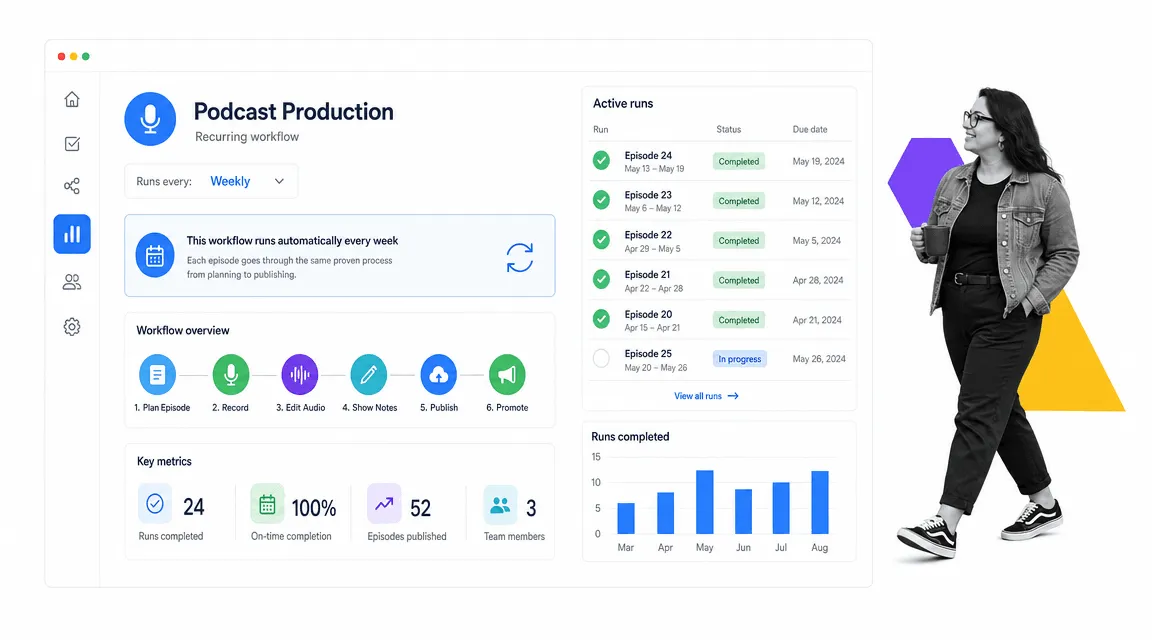
Offer show notes, transcript PDFs, and bonus episodes as content upgrades, generating more leads while giving committed fans a little extra. Store a backup of your podcast files, or share them with collaborators, using cloud storage such as Google Drive. The creators who keep shipping treat their podcast as an operation, not a one-off project. Running it on a platform like Process Street turns that operation into something repeatable: Docs holds your show SOPs and episode templates, Ops runs the recording, editing, and publishing workflows so steps never get skipped, and Cora, the AI agent inside the Compliance Operations Platform, flags the task you forgot and suggests how to tighten the process. You can wire the same idea into your stack with automated workflow tools, or browse the help center to see how recurring workflows and task assignments work. Plenty of creators fit podcasting into busy schedules and still build real success stories, one repeatable episode at a time.
Frequently Asked Questions About Making a Podcast
Do I need expensive equipment to start a podcast?
No. A USB microphone, a quiet room, and free editing software are enough to record a professional-sounding first episode. Audio quality comes from preparation and consistency far more than from price, which is why a simple recording checklist matters more than gear.
How do I publish my podcast to Apple Podcasts and Spotify?
Use a podcast host to generate an RSS feed, then submit that feed to Apple Podcasts and to Spotify for Podcasters. Each platform reviews your show, checks your cover art and categories, and approves it within a few days. You submit once, and new episodes appear automatically.
How long should a podcast episode be?
There is no perfect length. Interview shows often run 30 to 60 minutes, while solo or news formats can work in 10 to 20. Match the length to the value of the content, not to a target number, and keep it consistent so listeners know what to expect.
How do I get my first podcast listeners?
Start with your existing network, ask early listeners to share, and guest on other podcasts in your niche. Apply the 80/20 principle by doubling down on the one or two promotion channels that drive the most downloads, then repeat them for every episode.
The post How to Make a Podcast: A Step-by-Step Guide for Beginners first appeared on Process Street | Compliance Operations Platform.