











6 Ways to Combine Social Media and SEO to Boost Authority
Blog: Blog | Process Street | Compliance Operations Platform
The following is a guest post from Martin Harrison, the co-founder of Copify.
SEO and social media work best when they make the same audience signals easier to find, trust, and act on. Search engines do not treat every like or follower as a direct ranking factor, but social media SEO can still strengthen authority by increasing discovery, branded demand, mentions, links, and repeat engagement.
Social platforms have also become search surfaces in their own right. People look for tutorials, product comparisons, local recommendations, and expert opinions inside social feeds, then carry those signals back into Google, YouTube, review sites, newsletters, and buying conversations. These six tactics help social media and SEO support each other without relying on shortcuts that create risk.
There has long been a misconception in marketing circles that SEO and social media are different, separate areas. In practice, companies can combine social media and SEO to boost authority within their field, increase a company’s social media presence, attract followers, and support organic growth. The important shift is to focus on the quality of the signals, not the appearance of quick growth.
1. Mention influencers and get on their radar

Creating genuinely useful content is still the starting point. If an article, checklist, research summary, template, or video helps a specific audience solve a problem, it gives you a credible reason to involve people who already serve that audience.
The ultimate aim of building a content base is still to gain more interest, followers, traction, and custom. Authoritative links embedded within strong content can help a business become referenced in others’ content as a voice of authority. The higher the quality of those links and citations, the stronger the foundation for search visibility.
Mentioning an influencer should not mean dropping a name into a post and hoping for a share. Use the mention to add context: cite a practical idea, connect their point to your own example, or include them in a resource that is clearly useful for their followers. Then, send a concise note explaining why they were included and what their audience may find valuable.
This can support SEO in several indirect ways. Strong outreach can earn natural links, newsletter mentions, podcast references, branded searches, and social conversations around the asset. If an industry influencer links to your content, bloggers and editors may discover it, link to it, and send more traction back to the site. Those signals are more durable than a one-time share because they put the content in front of people who may cite it later.
Only high calibre content with genuine value will gain likes, shares, retweets, pins, or modern equivalents. Poor quality content without useful references can affect SEO negatively because it gives people no reason to cite, share, or return to the page.
For repeatable outreach, use a documented workflow instead of a spreadsheet that only one person understands. Process Street can help teams keep influencer research, approval, personalization, follow-up, and link tracking in one workflow so every outreach cycle follows the same standard.
Useful next step: build a short influencer list for one piece of content, add a personal reason for each contact, and only reach out when the asset is strong enough to deserve their attention.
2. Link from content to social media profiles
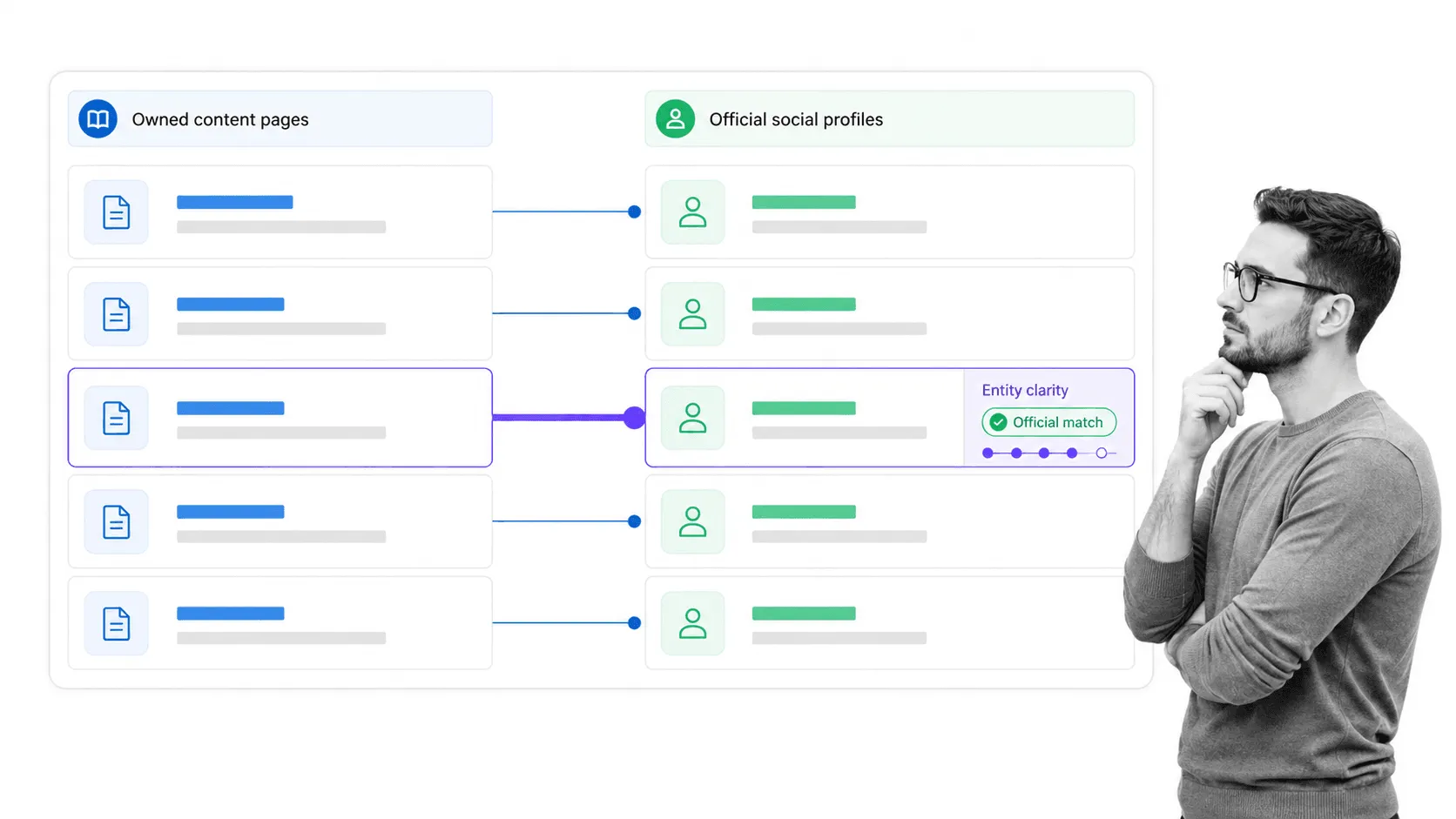
Your website, blog, author pages, email footer, and resource pages should make your official social profiles easy to identify. That does not mean adding a wall of icons everywhere. It means connecting your owned content to the profiles where your audience can verify the brand, follow ongoing updates, and continue the conversation.
Popular social media sites have high authority because of the sheer amount of engagement they receive. Creating a profile or page and adding a link to your site is not a magic ranking lever, but it does help people and crawlers understand which account belongs to the business.
Clear profile links help people move between search and social without wondering whether they have found the right account. They also reinforce entity clarity: your site, profiles, authors, and brand references should consistently point to the same organization.
Start with high-intent pages. Add social links to the homepage, about page, author bios, newsletter confirmation page, customer education pages, and major content hubs. If you publish guest posts, make sure the author bio uses current, working links rather than old networks or broken personal profiles. A company video, a social media profile, and your own site should all point to the same brand identity.
For social media SEO, the goal is not just referral traffic. It is trust. When a search visitor can quickly confirm that your brand is active, helpful, and consistent across channels, that reduces friction before they subscribe, share, request a demo, or link to your content.
3. Attract genuine followers (and don’t buy 10,000 fake ones)
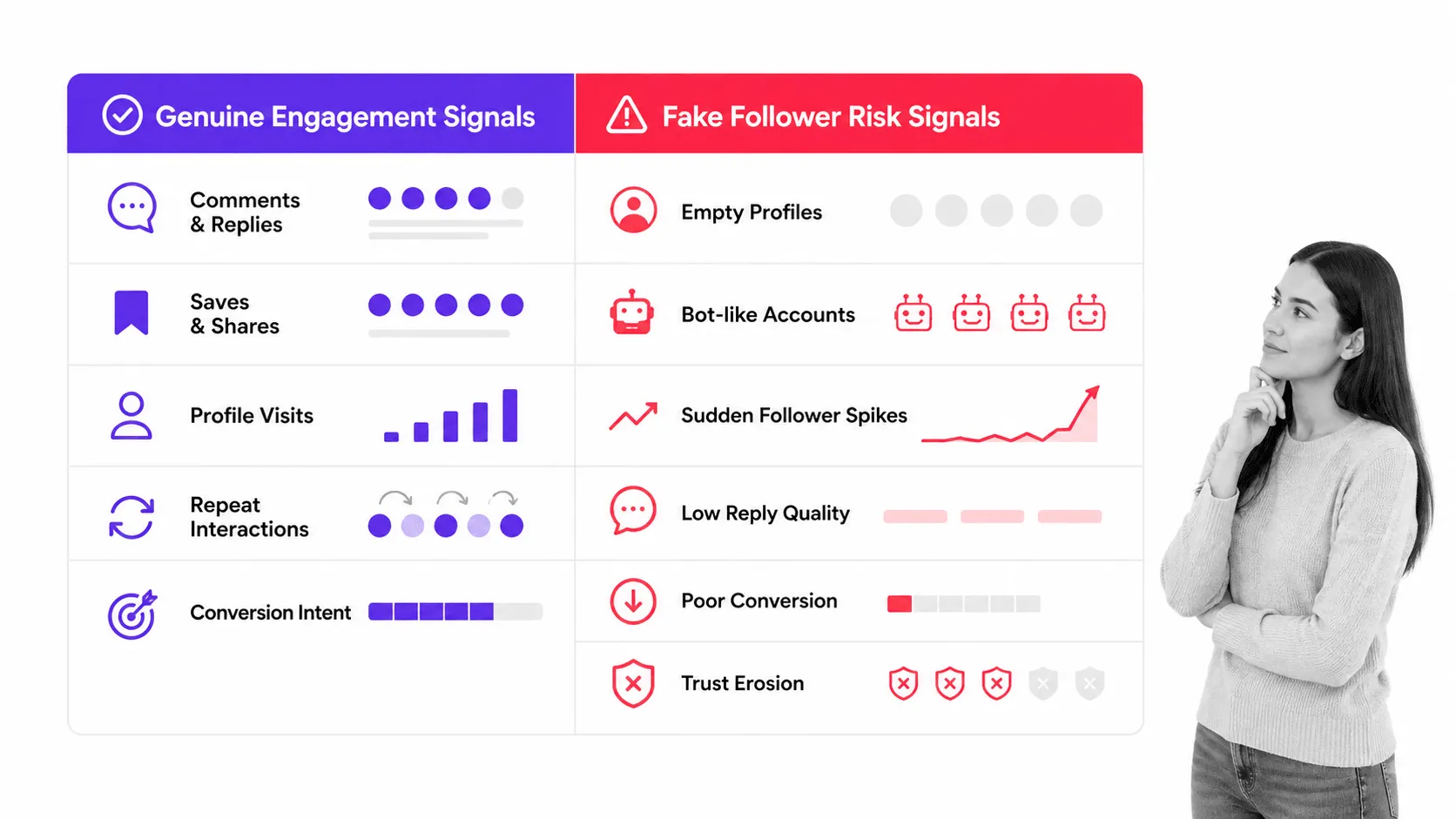
Follower count is a weak goal on its own. A large audience that never replies, saves, clicks, subscribes, or buys does not create much value for SEO or social. Fake followers are worse because they can distort reporting, lower engagement rates, create trust issues, and make it harder to understand what your real audience wants.
Followers are acquired when social media users engage with your site’s posts and content, then return to your page or profile for updates. Valuable content encourages them to share your posts, which creates the opportunity for more followers and more referral paths. It can become a self-perpetuating cycle when the audience is real.
Google’s spam policies are a useful reminder for any growth channel: shortcuts that manipulate signals instead of helping users tend to create long-term risk. On social media, the same principle applies. Buying followers may make a profile look bigger, but it does not create the kind of audience that cites your work, searches for your brand, or shares your resources with the right people.
Bear in mind that the quality of followers is important. Fake accounts created purely to increase likes, shares, or followers do not demonstrate an active account. Acquiring followers who are also active, interested, and able to benefit from the content is what creates business value.
Genuine followers come from consistent relevance. Publish content that answers specific questions. Reply to real comments. Show examples, not just claims. Use platform search behavior to learn the language your audience uses, then bring those terms back into your SEO briefs, landing pages, and content updates.
Additionally, it is important to regularly update your company’s social media profiles with useful content and posts. Laying the foundations of an effective campaign by creating profiles and pages, then neglecting to update them, will not improve SEO, trust, or audience engagement.
Measure audience quality with signals that connect to business outcomes: qualified profile visits, newsletter signups, demo requests, saved posts, thoughtful replies, branded searches, and links earned after social distribution. Those signals tell you whether the audience is helping authority grow.
4. Build brand awareness with interactions
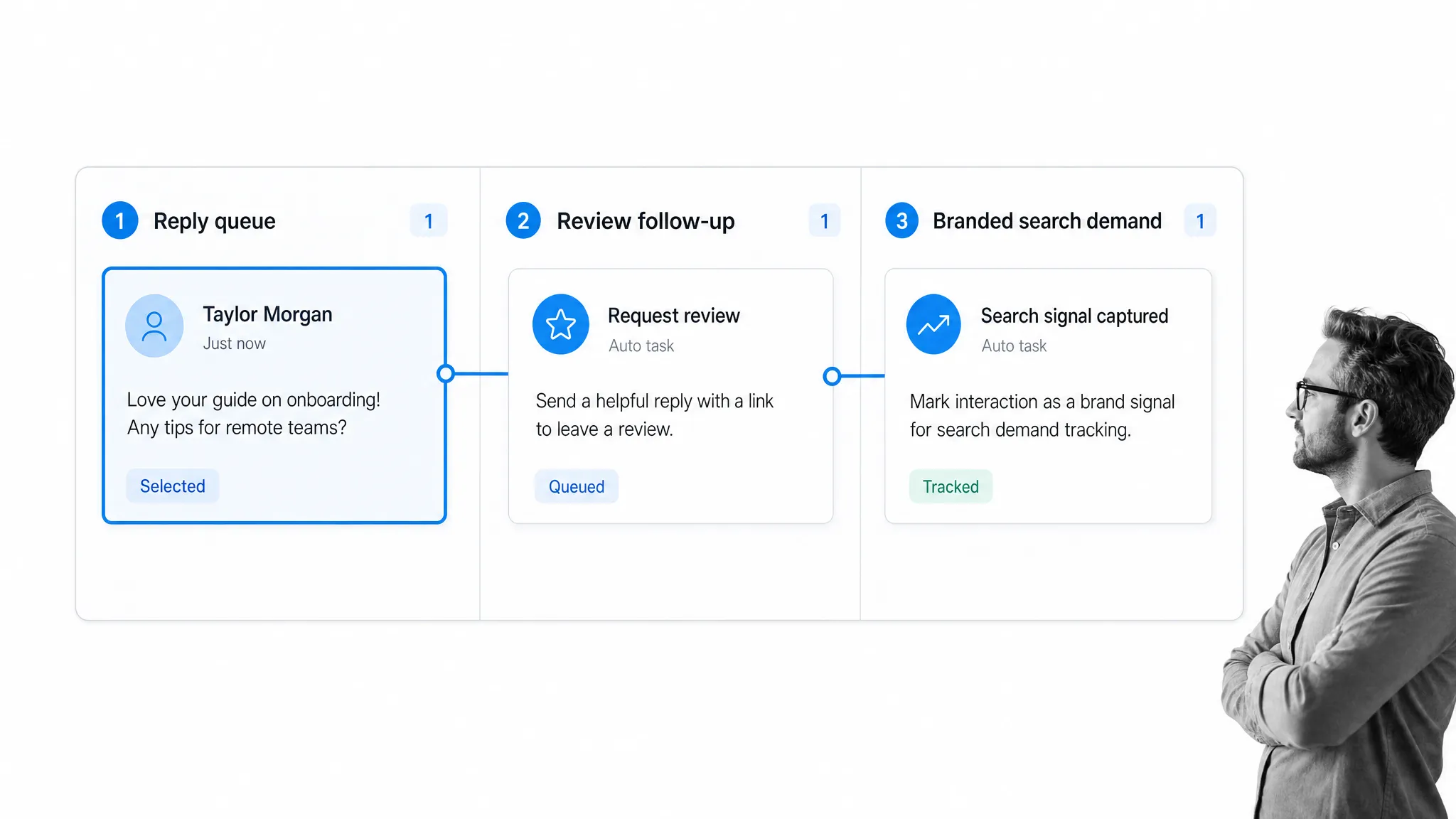
Social media is not only a broadcast channel. Audience engagement is vital for attracting followers and building brand awareness. To simply post something on social media and then ignore the comments you receive or the debates you spark is a big mistake, because interaction is where trust and brand presence are built.
The strongest authority gains often come from ordinary interactions done consistently: answering questions, thanking people for useful feedback, responding to reviews, joining relevant threads, and making expert knowledge visible in public. Addressing problems can present a more positive and polished brand image while encouraging further audience and customer engagement.
Brand awareness can feed SEO when people hear about your brand, remember the company name, and search for it later. It can also help content earn links because editors, creators, and practitioners are more likely to cite brands they have seen being useful in the open. The better your company’s reputation is, the more likely people are to search for your brand and become a follower or customer themselves.
This is where social media and SEO teams should share context. Social comments often reveal the objections, phrases, comparisons, and pain points that search content needs to address. Search data shows which topics deserve deeper social explanation. Together, those loops can shape better briefs, better posts, and better answers.
Process Street’s Compliance Operations Platform gives teams a practical way to manage that loop. Docs can hold approved voice, response, and escalation guidance; Ops can run review and publishing workflows; built-in AI can help summarize inputs and flag handoffs without introducing a separate product layer.
5. Make people stop scrolling
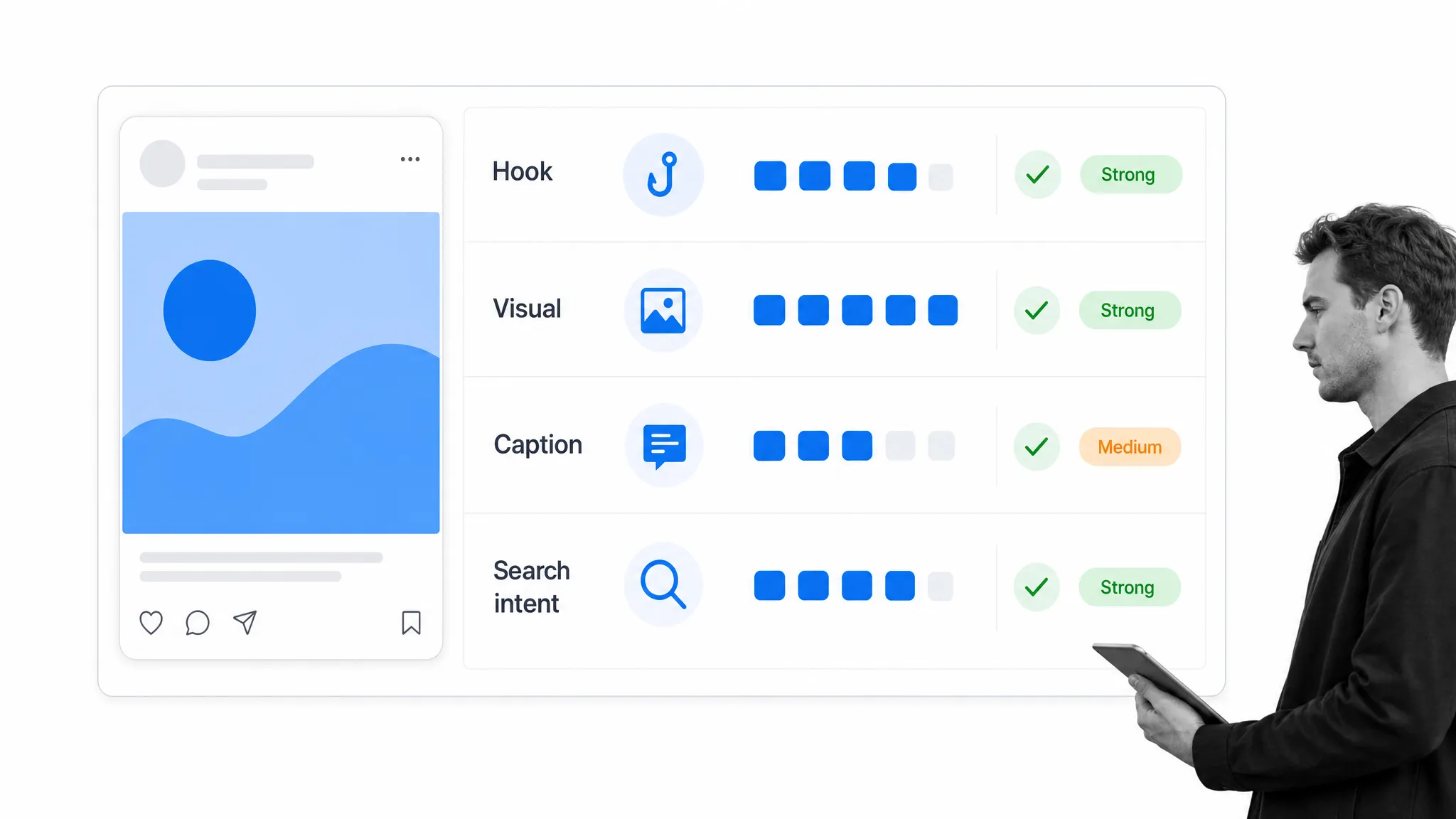
Even excellent ideas lose if the first visible signal is weak. A strong anchor is the first thing to consider when creating the perfectly optimised post. Social feeds move fast, so the hook, image, caption, and first sentence need to make the value obvious before someone scrolls past.
That anchor can be a video, infographic, thought provoking image, practical example, or concise claim that will catch readers’ attention. Combine this with a descriptive title that encourages people to click, and remember to optimise it for the particular search or question your target reader wants to ask.
That does not mean writing clickbait. It means matching the post to a real search intent or audience pain. A strong social post can preview a useful answer, show a concrete example, challenge a common mistake, or make a technical idea easier to understand. If the post earns saves, shares, and follow-up questions, it can point you toward content that deserves a deeper SEO asset.
Repurpose carefully. A blog title, a social hook, a YouTube chapter, and a LinkedIn post should not all use the same wording by default. The core idea can stay consistent, but each surface needs its own format. For example, an SEO article might target “marketing project management tools,” while a social post might lead with the approval bottleneck that makes people search for those tools in the first place. If that is a current priority, this marketing project management tools guide can help teams compare the category.
Use the same discipline for visuals. Replace generic stock images with diagrams, process views, annotated examples, or simple comparison surfaces that make the point faster than text alone. Better creative gives the content more chances to earn attention before it ever competes in search.
Basic copywriting principles still matter: include keywords naturally, watch current trends when they are relevant, and make sure your social media profiles are visible by adjusting privacy settings. If your content cannot reach the audience, engagement, shares, and clicks are limited before the post has a chance to perform.
6. Use local listings to instantly boost visibility
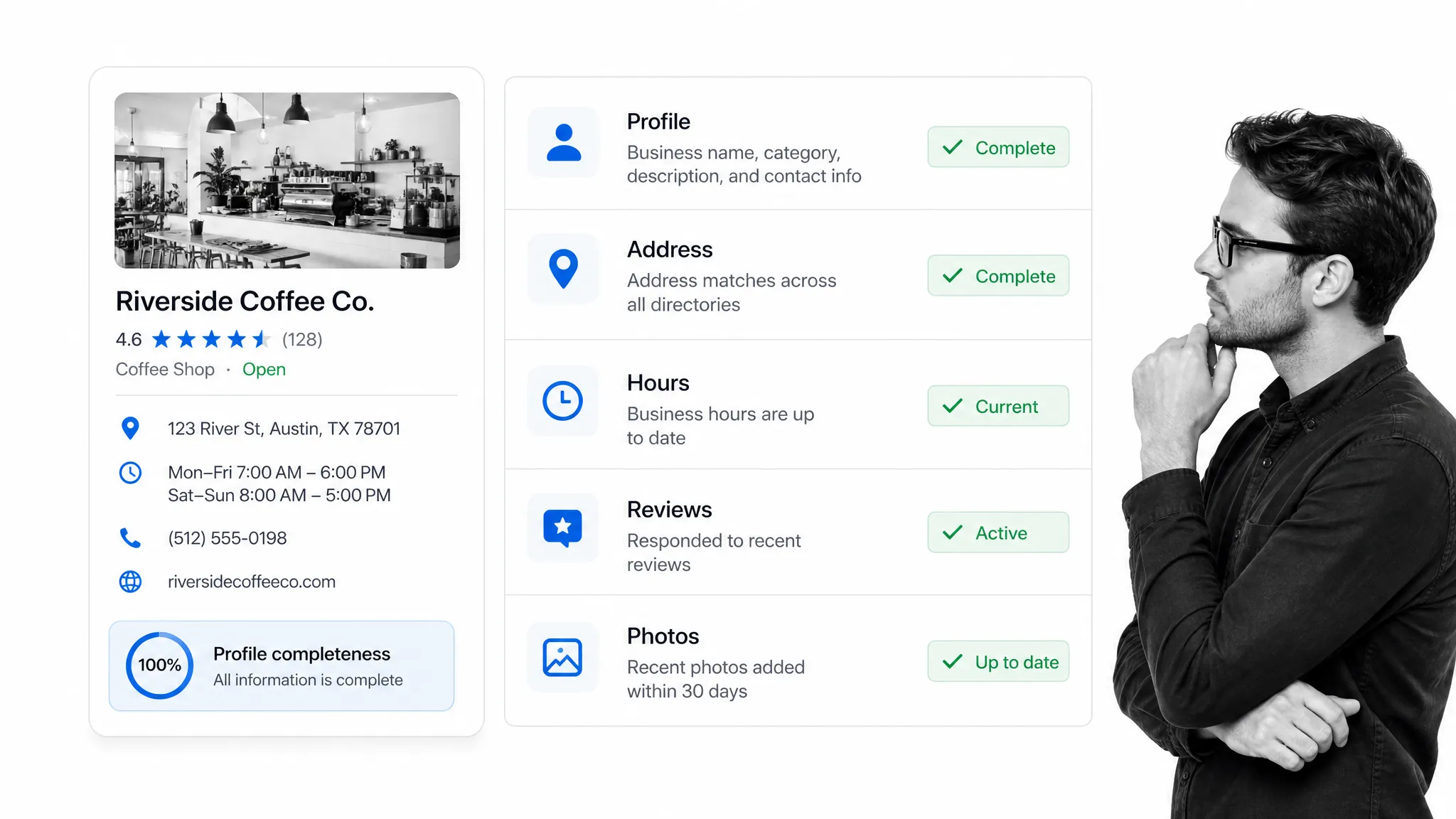
For local businesses, social media and SEO meet wherever customers check whether a company is real, nearby, open, and trusted. That includes search results, map results, reviews, social profiles, local directories, and community recommendations.
An easy way of improving SEO using social media is to create and maintain complete local listings. The fastest gains usually come from fixing incomplete or inconsistent information. Make sure the business name, address, phone number, opening hours, service area, website URL, photos, and review response process are accurate everywhere customers look. Google’s guidance on local ranking emphasizes relevance, distance, and prominence, so completeness and reputation both matter.
Include the address and other important information so customers can associate your business with the local area. Featuring accurate location details, encouraging reviews, creating relevant posts, taking pictures, and contributing to local discussions can all improve visibility in local searches.
Social media can strengthen that local footprint. Share location-specific updates, answer local questions, post event or service changes, and point followers to the correct listing when they need hours, directions, or reviews. Keep the social profile and the local listing aligned so customers do not see conflicting details.
Use a simple recurring checklist for local visibility: verify the profile, check hours, review new photos, respond to recent reviews, confirm the website link, and scan social comments for recurring local questions. Small corrections can prevent lost visits, wrong expectations, and avoidable support issues.
Bringing social media and SEO together
The connection between social media and SEO is practical, not magical. Social activity can help useful content travel farther, surface audience language, build branded demand, earn citations, and make the brand easier to trust. SEO can help social teams choose topics with proven demand and turn strong posts into durable assets. When companies combine social media and SEO to boost authority, they create more ways for customers, followers, and potential customers to discover and trust the business.
The best results come from a shared operating rhythm: plan content around real search and social questions, publish with clear distribution steps, capture the feedback, and use it to improve the next asset. When that rhythm is documented, reviewed, and repeatable, both channels get stronger.
Martin Harrison is co-founder of Copify, which supplies website content from a network of approved copywriters.
The post 6 Ways to Combine Social Media and SEO to Boost Authority first appeared on Process Street | Compliance Operations Platform.