











6 Reasons You Can’t Get a Job at a Startup
Blog: Blog | Process Street | Compliance Operations Platform

Why can’t you get a job at a startup when people with less experience seem to get hired? Usually it is not one missing credential. Startups reject candidates when they see risk: culture mismatch, narrow ownership, slow ramp time, unrealistic expectations, or signs that the person did not read the role closely.
The thing to remember about startups is that every hire changes the company. In a small team, one salesperson, engineer, marketer, or operator can reshape the workload, the culture, and the speed of execution. Vinay Patankar, Process Street CEO and former executive recruiter, has seen that hiring decision from both sides.
You're a bad culture fit
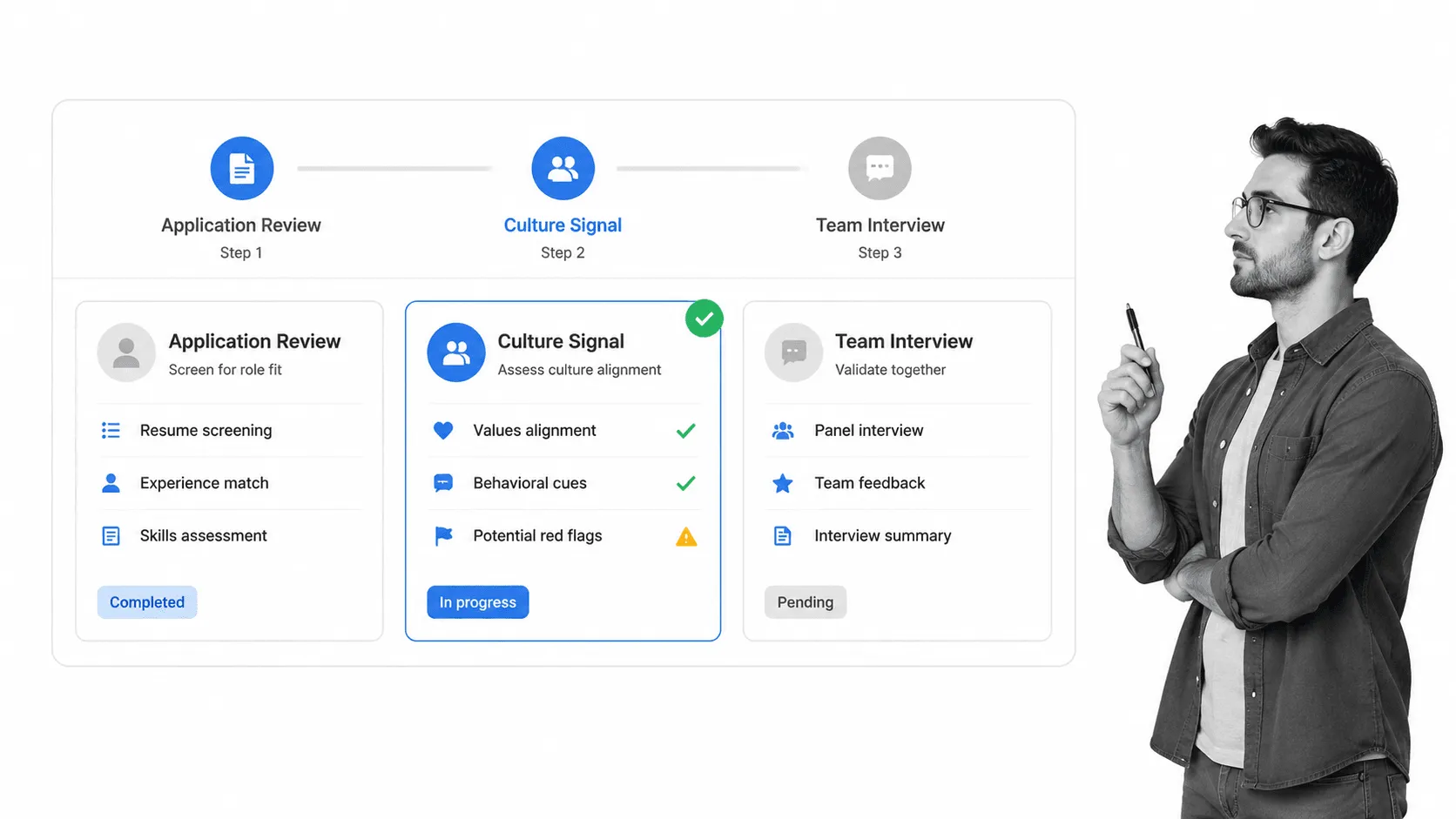
Startups do not treat culture fit as a vague bonus. They use it as a screening mechanism. If a company publishes strong values, public culture material, or an unusually opinionated application process, assume it is trying to attract some candidates and screen out others.
HubSpot’s Culture Code is a good example of culture being made public. The point is not that every startup should copy HubSpot. The point is that small teams want people who will add energy to the system, not create friction the team has no capacity to absorb.
With startups being small by design, the person in charge of hiring needs to be sure you are going to get on well with everyone and contribute in a positive way to company culture. If you clash with the rest of the team, you may not be considered because the cost of a bad hire is high.
You're too enterprise-y
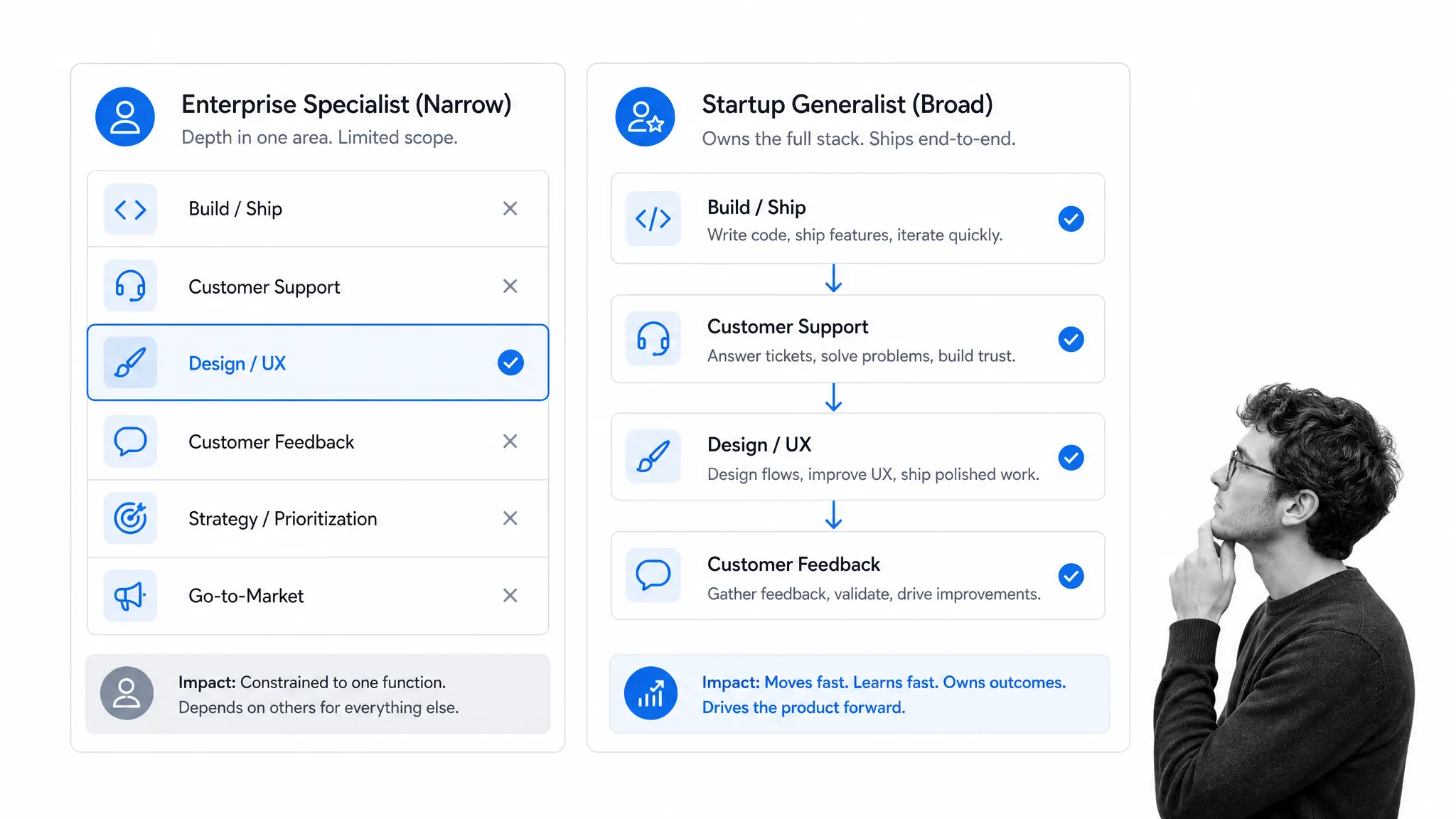
Did you think that having 10 years of experience with a hugely successful enterprise company would be enough to get hired? It can help, but only if you can translate that experience into startup ownership. Startups need people who can work across fuzzy boundaries, not only inside a narrow function.
To demonstrate his point, Vinay uses a software development team as an example:
Developers either need to match the skill set the software is built in, or be able to quickly change and pick up different technology. A lot of the time, enterprise employees who have worked for banks, Verizon and BT, are working on apps with 100 other engineers and only get to focus on a very small part of the app.
They could be a database developer, only writing test code or only dealing with bug reports. This means they do not have a full skill set that a startup would need because startups do not just need people to deal with bugs, they need people who can do that while processing support tickets, working on the app’s design and actually building the software.
The same goes for enterprise marketers used to working with large budgets and existing customer bases. A startup may need the same person to run customer interviews, write copy, build a lightweight campaign, read the numbers, and change direction by Friday.
You aren't 110% dedicated to the company
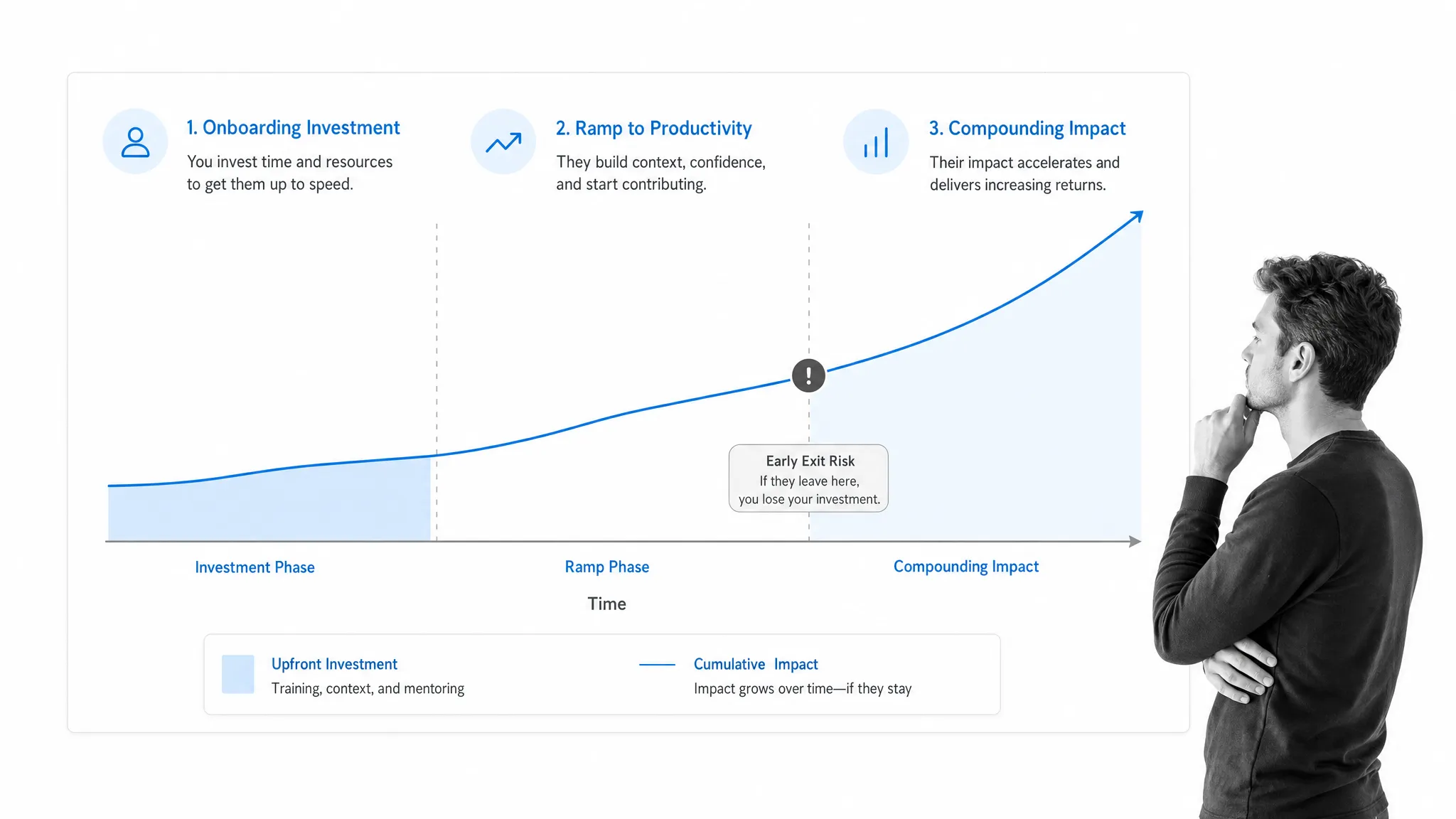
Does your resume show a pattern of short stays? If every role lasted a year or less, a startup may worry that you will leave before the investment in onboarding pays back.
Employees need time to learn the company. Startups often have a lot of internal knowledge, and since no one can understand customers, product tradeoffs, and team context before joining, employee knowledge is vital. If you seem likely to leave after learning it all, you take more than your day-to-day output away from the company.
Red flags include repeated short gigs without a clear reason, no evidence that you care about the product, or a pattern of treating roles as stepping stones rather than missions.
If it seems like you are not going to be able to stick around for at least 4 years, you are not getting hired.
You're going to drain everyone's time during onboarding
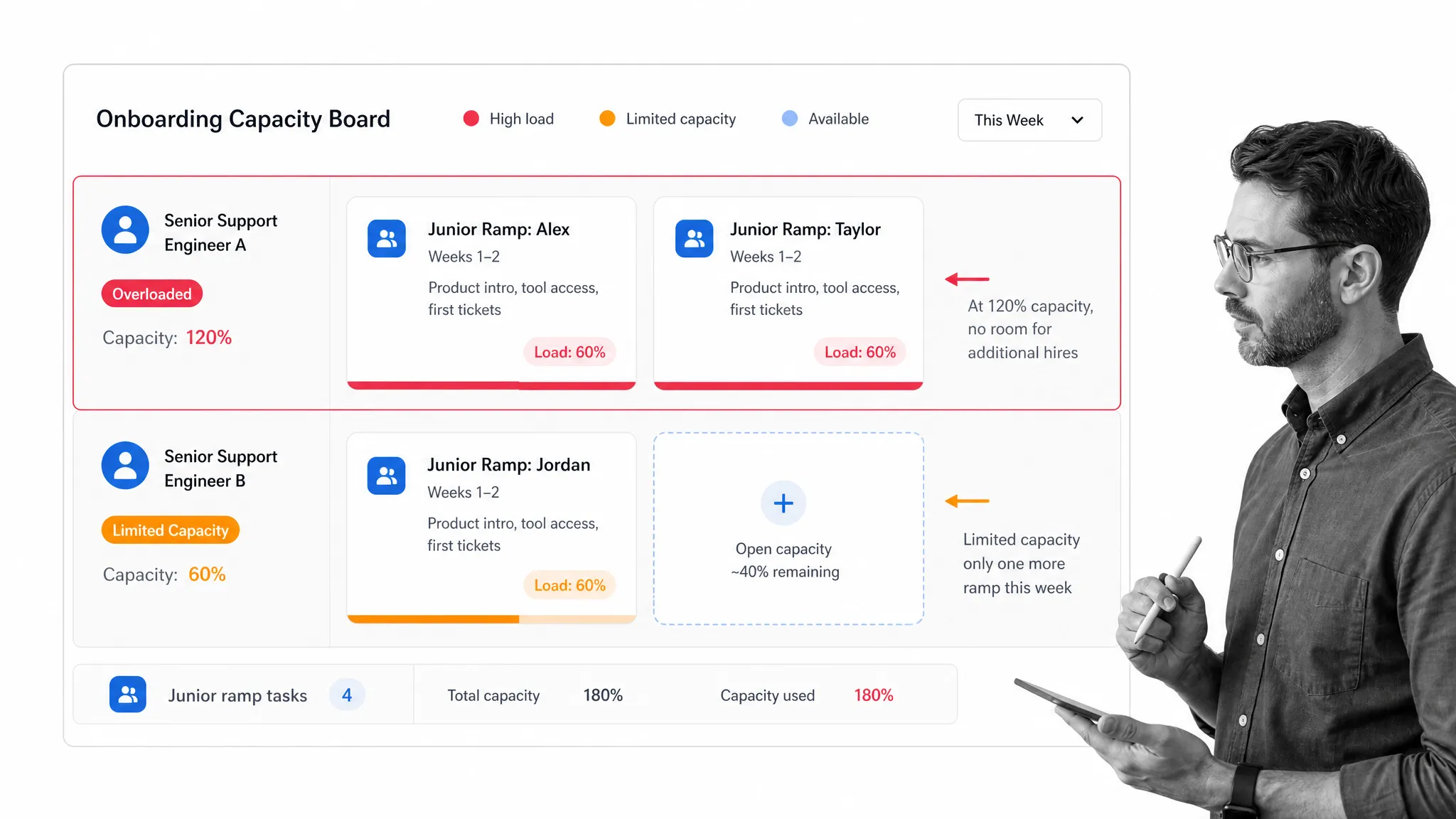
You could be a really good junior employee, but if there are not enough onboarding management tools, senior people, and internal training resources to support you, you may not get hired. Say there are two senior engineers. A startup cannot hire four juniors and expect output to stay flat while the seniors spend most of their time training them.
You will probably stand more chance applying for a position alongside a larger ratio of seniors who can afford to reduce their output a little while getting you up to speed. This is one to avoid taking personally, because it often means the company does not have the resources to train you right now.
If you hire someone, they work for three months then they leave, then 1 of your 3 team members will have lost 50% of their output for that time. In a startup, every action you make has a much larger reaction.
You have ridiculous expectations
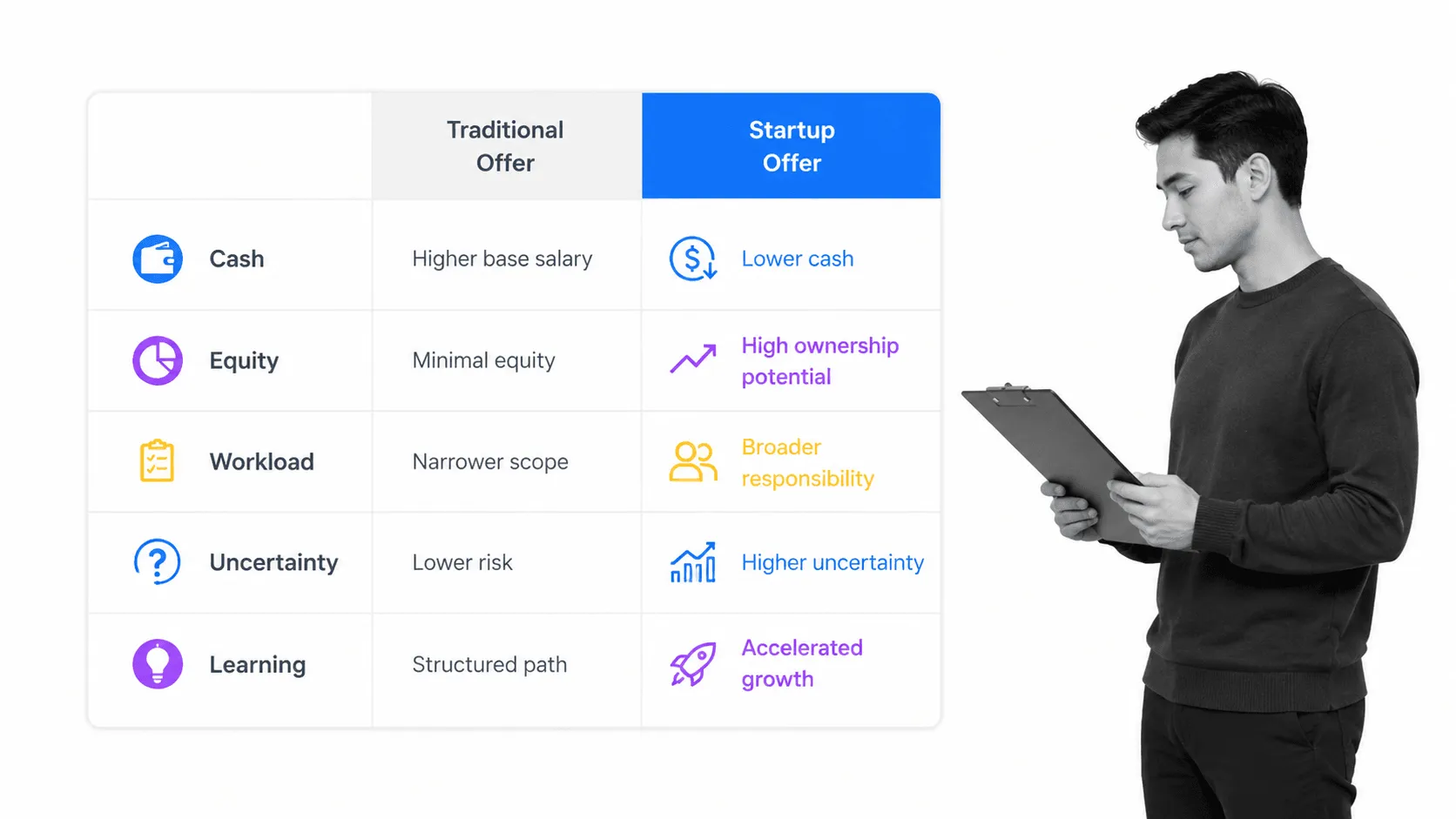
Working for a startup does not make you a rock star, even if some job descriptions still try to sound that way. It usually means more ambiguity, more responsibility, and less structure than a large company role.
Compensation also varies widely by stage, role, geography, funding, and equity. Do not anchor your expectations to one stale salary number or one loud story about startup upside. If you only see the job through salary, title, or perks, you may not be a good fit. Startup work can be exciting because the work is close to the customer and the outcome, but that appeal has to matter to you.
You didn't take the hint from the job description
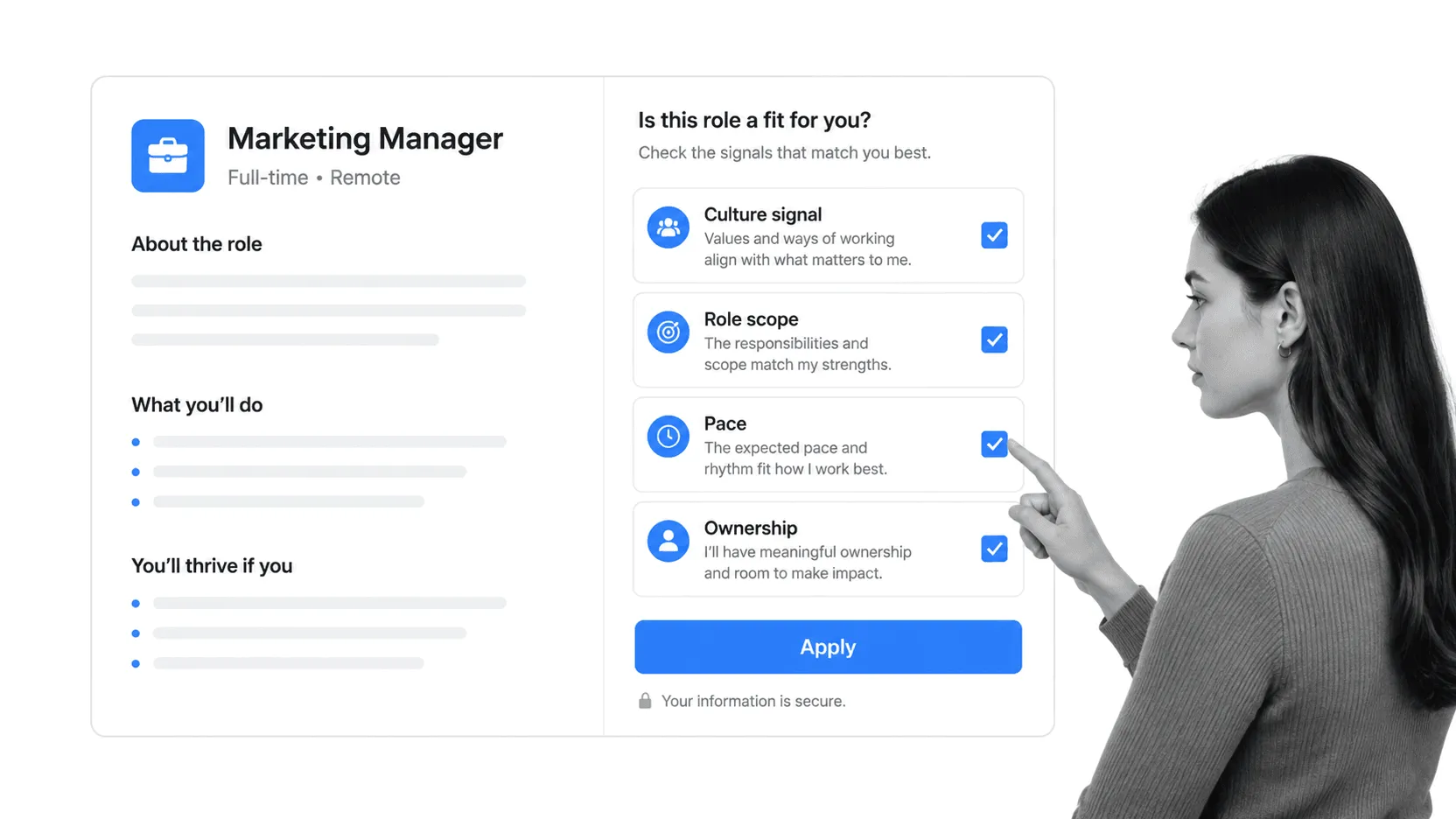
Just like companies broadcast their culture to attract or screen out potential applicants, a job description will usually include hints about the sort of person who should apply.
Take Buffer as an example. Buffer has long made its values unusually public, including a visible interest in books like How to Win Friends and Influence People. If a role signals that kind of culture and you ignore it, you are missing part of the application.
Try seeing the job description as a warning and a map, not just a challenge. If the posting emphasizes ownership, customer contact, fast learning, writing, or async communication, your application should show those signals directly.
How can you make yourself an attractive hire?
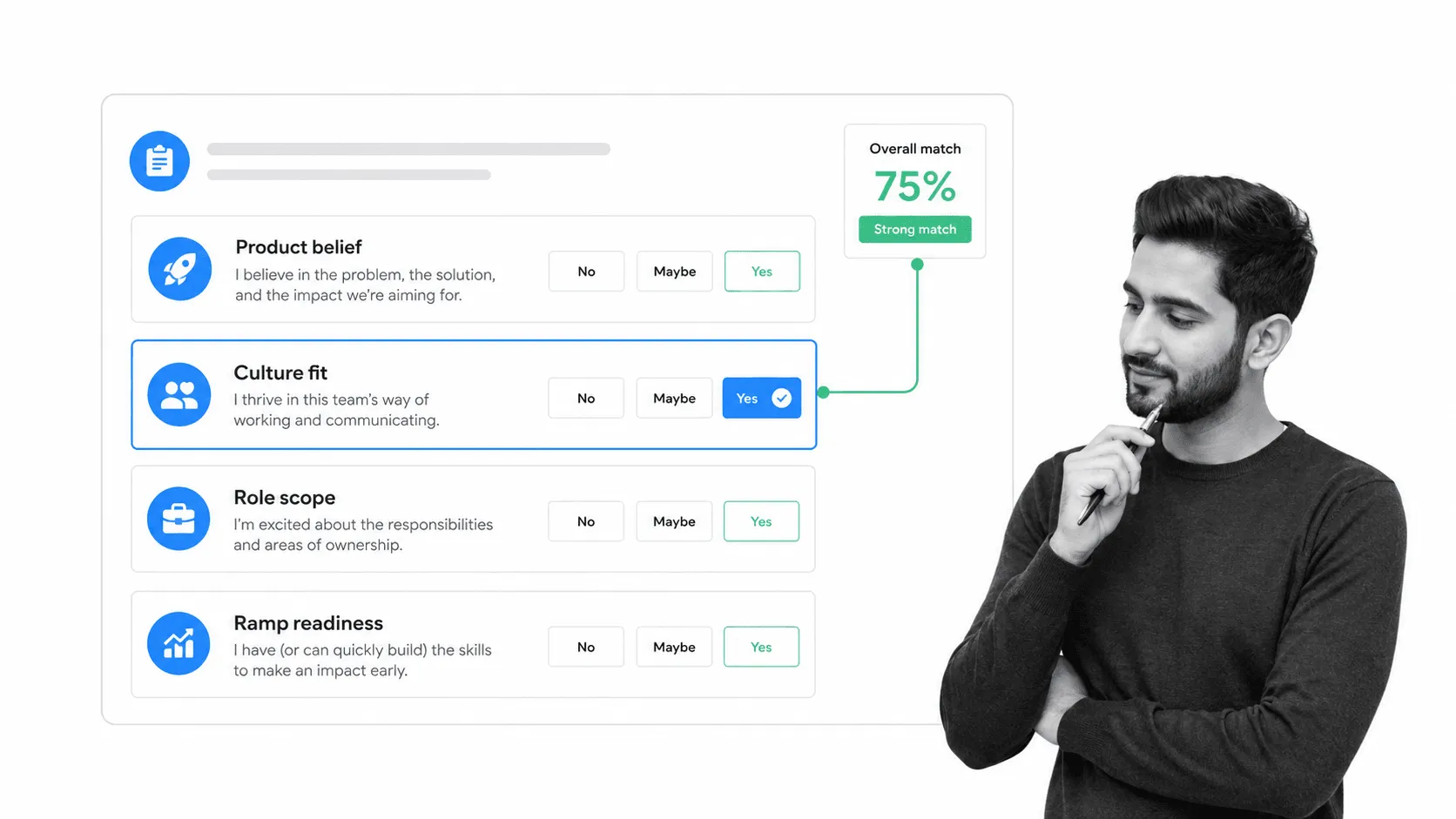
While you might really want to work for a startup, you will hate it if you do not find your own good fit. Find a product you believe in, or maybe one you already use. Most startups make an effort to communicate what great looks like for their team. If you do not like it, you will probably be miserable there.
Make the hiring risk smaller. Show proof of work before you ask for trust: a short product teardown, a sample customer interview, a 30-day plan, a relevant project, or a thoughtful note to the founder or hiring manager. Translate your past experience into the startup’s constraints. If you are coming from enterprise, show range. If you are early career, show speed, judgment, and low-drama learning.
Right now, you are an attractive hire somewhere. The work is finding the startup where your strengths match the company’s stage, pace, and values.
The post 6 Reasons You Can’t Get a Job at a Startup first appeared on Process Street | Compliance Operations Platform.