










5 Customer Retention Tools Every SaaS Company Should Know
Blog: Blog | Process Street | Compliance Operations Platform
Customer retention tools help SaaS teams spot churn risk before renewal, bring inactive users back into the product, recover failed payments, and turn support issues into moments that keep customers loyal. These are the customer retention tools every SaaS company should know because they turn scattered warning signs into clear action.
The strongest retention stack is not one app. It is a set of connected systems for lifecycle messaging, subscription billing, customer health, support recovery, and repeatable customer success workflows. Together, those systems help teams acquire and retain loyal customers without relying only on new promotions or free trials.
This article includes a guest submission from Teresa Millard, a marketing strategist who loves crunching numbers and reading about digital trends.
Did you know: increasing your customer retention by 5% can improve your profits by 25% to 95%, according to Bain & Company research on e-loyalty. There is high reward for little effort when a SaaS business finds practical ways to get that 5% increase.
The SaaS market has seen a boom, with numerous startups competing with big brands. It is a blooming industry because accessibility and reliability are still powerful advantages: with only a few clicks, clients can access incredible tools that mostly take care of themselves. SaaS software enhances business productivity and ease-of-use, which makes lives easier for employees.
However, there is a downside to popularity, and that is the fierce competition it brings. It is no longer about luring in new customers, but keeping them. Customer retention is of paramount importance, and maintaining that loyalty is progressively more difficult when buyers can compare products, cancel subscriptions, and move to a competing service quickly.
Loyal clients can become brand ambassadors who speak highly of your products or services in a crowded market. The first step to standing out is using smart tools to turn at-risk customers into your biggest assets. The five tools below cover the moments where retention usually breaks: email re-engagement, billing, customer health, support, and repeatable follow-through.
Mailchimp for lifecycle emails that pull customers back
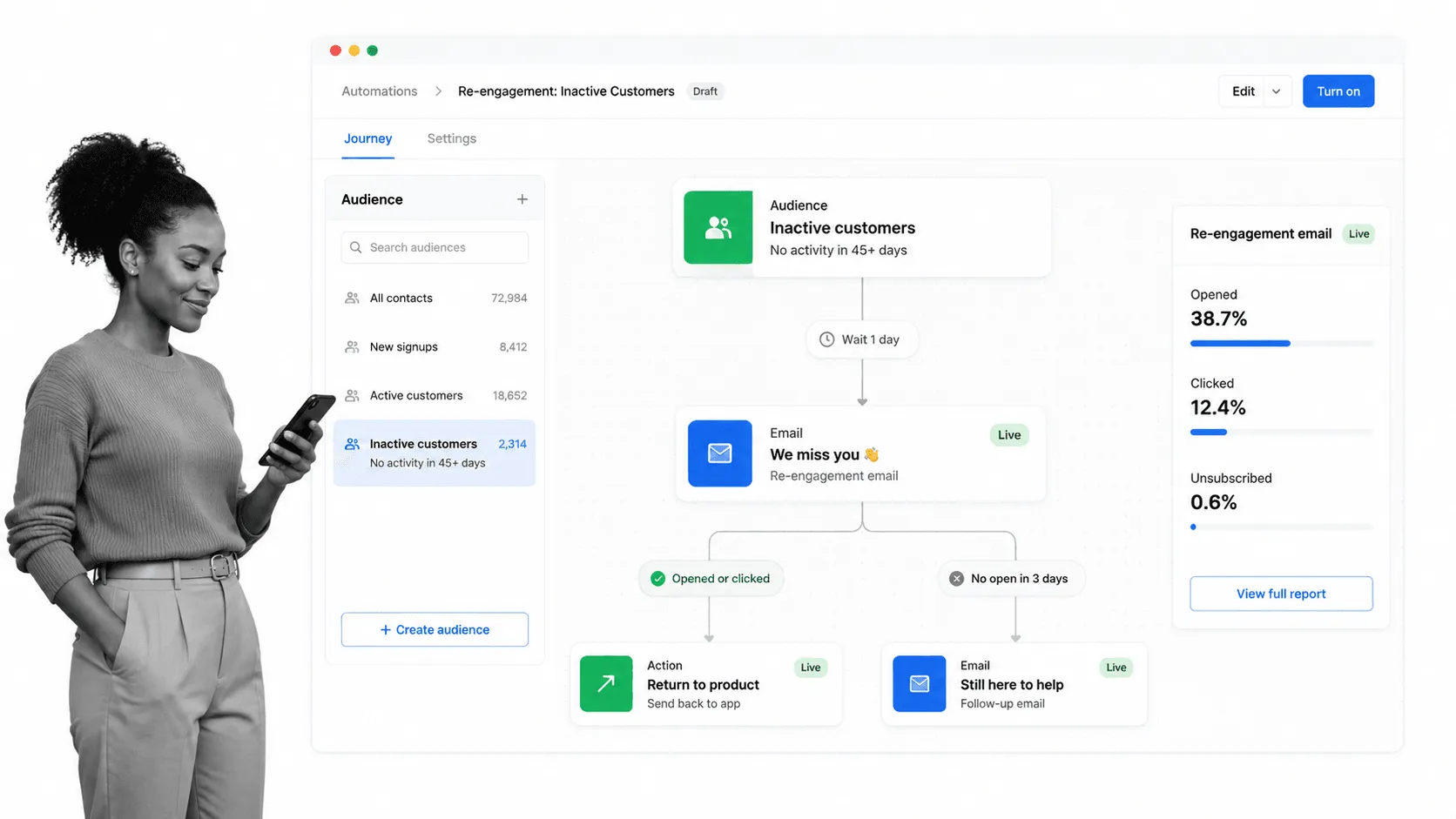
Email is still a powerful customer care service channel. It gives SaaS teams a way to reach an audience that may respond to clear, timely email strategies, especially when the goal is to acquire and retain your most loyal customers. The work is finding the right signals, perfecting the message, and applying it to your business before inactivity becomes churn.
Mailchimp is best known for email marketing, but its automation features make it useful for SaaS retention when the problem is inactivity. A customer who has not logged in, completed onboarding, opened an invitation, or used a key feature can receive a targeted sequence before silence turns into a cancellation.
One efficient way to use it is to remind your clients of your value proposition. Email automation helps with retaining customers because it proves ongoing dedication through regular newsletters, product announcements, training offers, renewal reminders, or significant events that improve the relationship between your business and your customer.
You can also create special retention emails that encourage lost customers to come back. Send emails to clients who have gone longer than average since the last time they logged in, make valuable offers, and follow the same three golden rules for retention emails: attract, engage, and follow up. The important thing to keep in mind is that inactivity should not be ignored.
Maxio for billing signals and failed-payment recovery
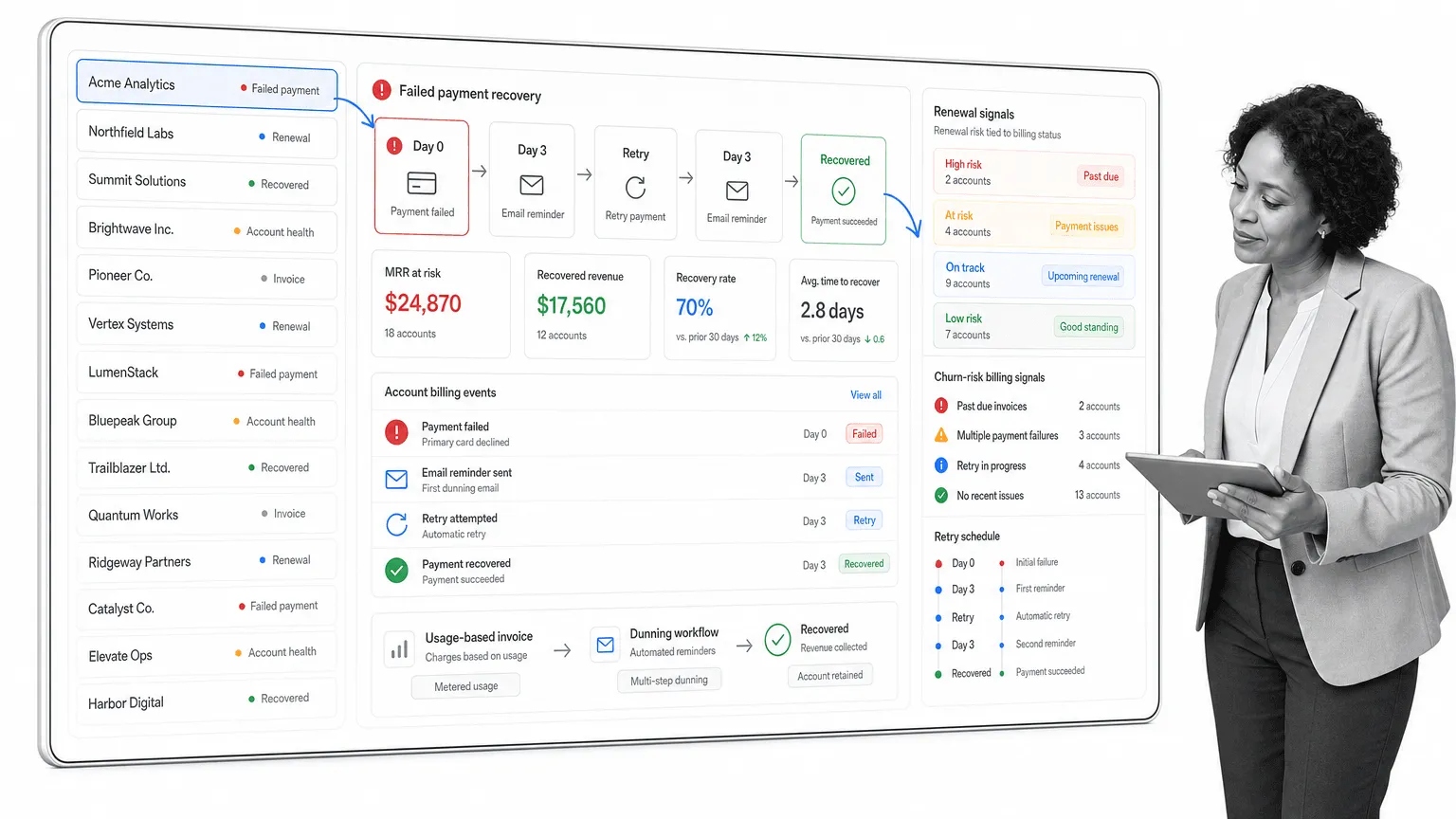
Billing solutions are among the most useful tools at your disposal in the digital era. Plenty of services are automated, but the payment experience still needs to feel smooth for customers. If billing becomes confusing, slow, or disconnected from the customer relationship, retention suffers even when the product itself is strong.
Maxio now carries the Chargify billing lineage many SaaS teams used for subscriptions, invoices, and recurring revenue operations. Billing may look like a finance function, but it is a retention surface: failed payments, overdue invoices, free trial periods, refunds, one-time fees, promotions, credit card issues, and renewal timing all reveal accounts that may be at risk.
For subscription businesses, dunning workflows are a direct churn-reduction lever. Failed attempts to extract funds from credit cards should trigger a calm recovery process, not a manual scramble across finance, support, and customer success. Maxio helps teams manage payment retries, subscription changes, invoice communication, cash flow visibility, and revenue reporting in one place.
Use a billing platform like Maxio when retention depends on keeping renewals clean and preventing involuntary churn. It helps the company manage expenses and subscriptions while assuring a smooth experience for customers, which ultimately helps retain them.
ChurnZero for customer health and churn risk
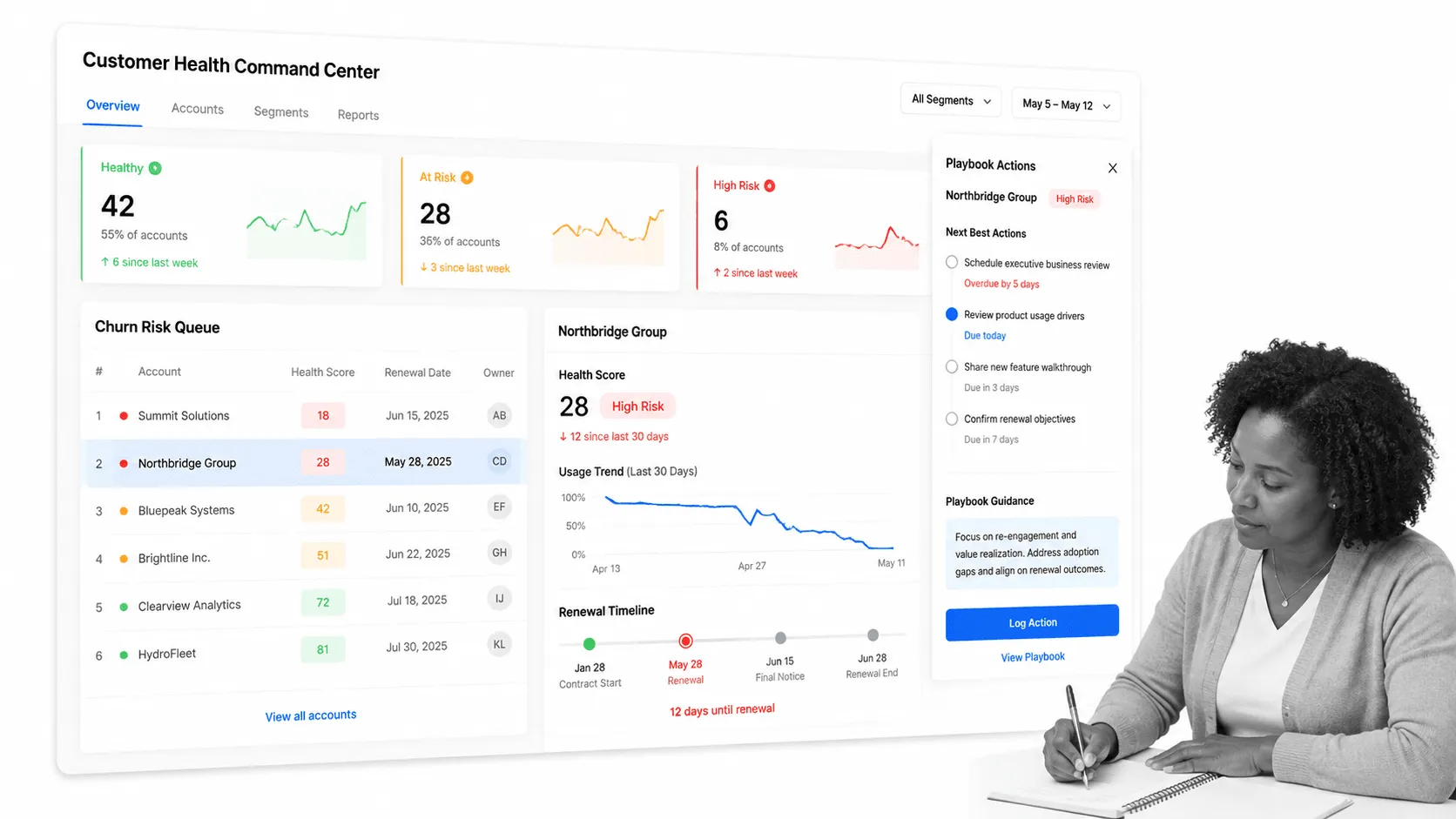
ChurnZero is built for customer success teams that need more than raw analytics. It turns account behavior, engagement, renewal timing, and success activity into customer health scores, alerts, and playbooks that show where to focus before a customer cancels.
To increase customer retention, you need to understand what customers like, want, and need. Activity or lack thereof can reveal future interests and future actions. If a client realizes they are paying for a service they are no longer using, they will cancel it. That is why a period of non-use, declining engagement, or falling login regularity needs attention before the subscription cancellation arrives.
The old answer to this problem was often a general website or product analytics tool. That can still help, but SaaS teams also need account-level views: who is logging in, which stakeholders are active, which milestones are overdue, and which renewals need attention. ChurnZero gives customer success managers a clearer way to encourage engagement, know who to target, and personalize adjustments according to each client.
It is a good fit when your team has enough accounts that intuition is no longer reliable. Instead of reacting to the loudest customer or the newest support ticket, a health-scoring platform helps surface quiet accounts that are drifting toward non-use.
Zendesk for fast support recovery
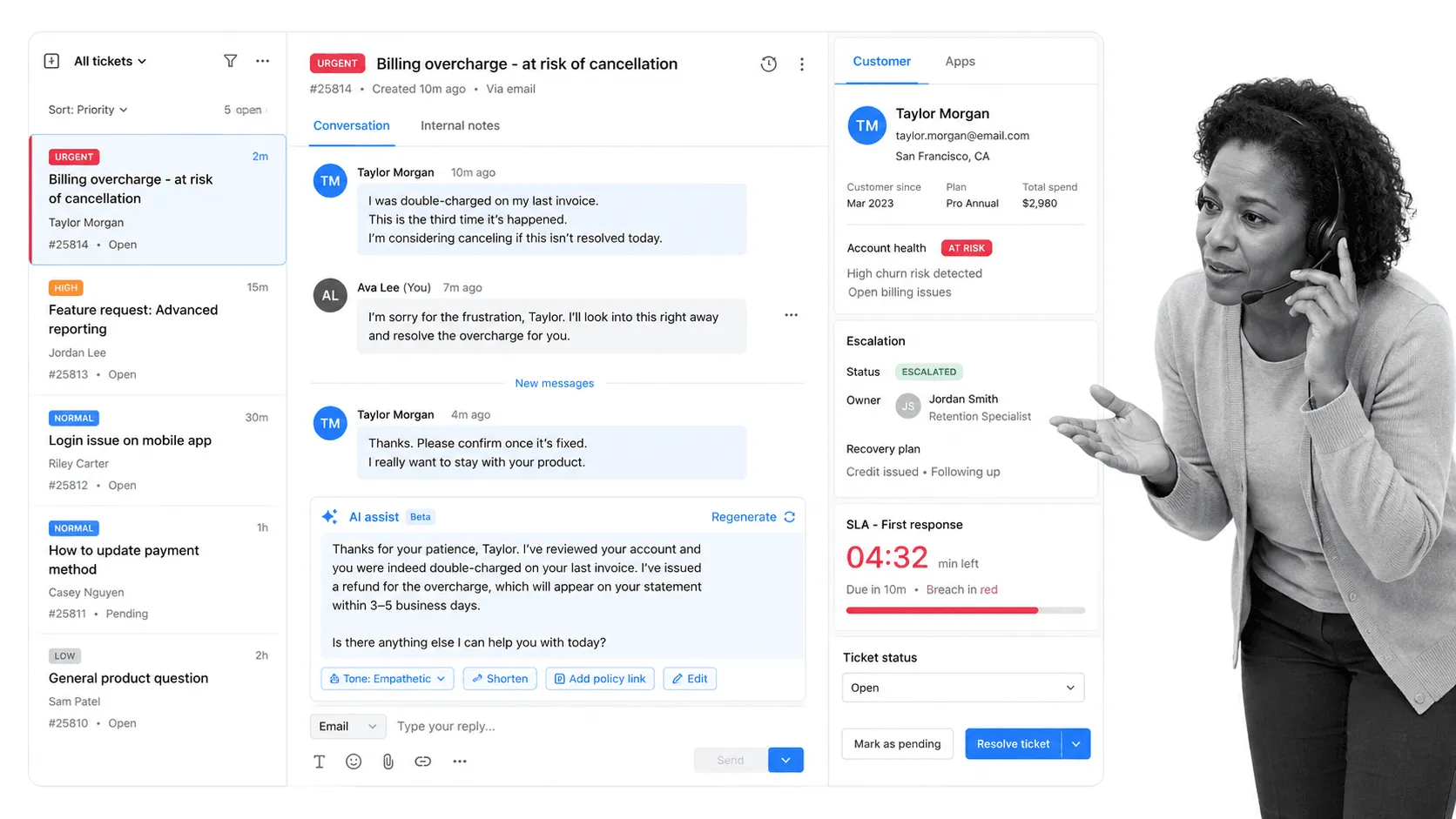
In this day and age, customers want dedicated customer engagement, and they often expect it to be instant. Long waits, repeated explanations, and unresolved issues can lead to a lost client. A useful support system helps assure that problem-solving remains a top priority.
Zendesk gives SaaS companies a structured way to manage customer service across email, chat, help center content, and support workflows. That matters for retention because a bad support experience can turn a loyal client into an at-risk account quickly.
As a SaaS company, you always have to keep selling because every single day you need to stop a client from hitting the cancel subscription button. After all, it is called software as a service. Zendesk offers customer care across channels and supports one-on-one discussions that can resolve issues quickly.
One solved conflict can lead to a lifetime customer who appreciates your fast response to their problems. Teams can engage with clients in real time, create a stronger connection, and turn an unhappy or confused customer into a loyal client through an effective support system.
Process Street for repeatable retention workflows
Customer retention is tied to customer satisfaction and your ability to keep customers interested and engaged in your services. Small pleasant surprises, clear renewal processes, useful follow-up, and well-run customer success workflows can create the sense of reliability that makes customers eager to tell others about the service.
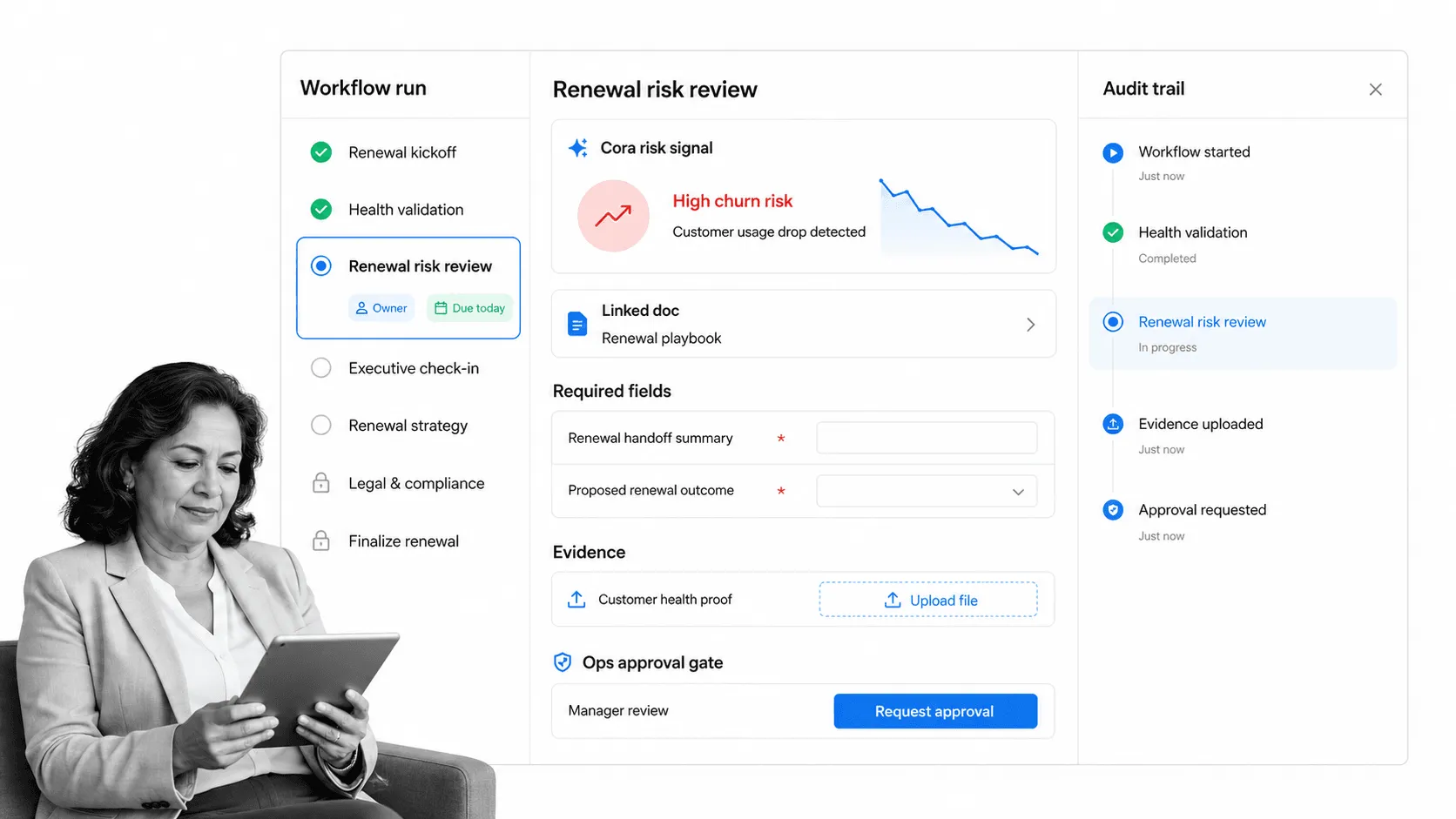
Process Street is a Compliance Operations Platform for teams that need retention work to happen the same way every time. It brings Docs, Ops, and Cora together so customer-facing teams can document playbooks, run workflows, automate handoffs, and keep evidence of the work that protects renewals.
Customer retention usually breaks down between tools. A health score changes, a support issue escalates, a billing recovery sequence starts, or an onboarding milestone slips, but the follow-up work lives in someone’s notes. Process Street helps teams turn those signals into assigned workflows with approvals, due dates, AI-assisted steps, and audit trails.
For example, a customer success team can run a renewal-risk workflow, a failed-onboarding recovery checklist, or a standardized customer onboarding process. Cora can help summarize context, Ops can enforce the right sequence of work, and Docs can keep the playbook current for every account manager. That creates repeatable doorways to stronger renewals, referrals, and new subscribers.
Customer retention tools FAQ
How should SaaS companies choose customer retention tools?
Start with the retention problem you can measure. If customers vanish after signup, prioritize lifecycle email and onboarding workflows. If revenue disappears through failed payments, fix billing recovery first. If churn surprises the team at renewal, invest in customer health scoring. If support issues drive cancellation threats, strengthen your service desk and escalation process.
The most effective SaaS teams connect these tools instead of treating them as separate dashboards. A retention signal should create a next action, assign an owner, and leave a record of what happened. That is how retention systems produce loyal clients, not just reports about lost customers.
What are customer retention tools?
Customer retention tools are software systems that help companies keep existing customers active, satisfied, and renewing. They can include email automation, subscription billing, customer success platforms, support software, product analytics, loyalty tools, and workflow systems.
What is the most important customer retention tool for SaaS?
The most important tool depends on the churn driver. Early-stage SaaS teams often need lifecycle email and onboarding workflows first. Larger teams usually need customer health scoring, billing recovery, support operations, and repeatable renewal workflows working together.
How do customer retention tools reduce churn?
They reduce churn by making risk visible earlier and turning that risk into action. The right system can alert a team when usage drops, payments fail, tickets pile up, onboarding stalls, or a renewal account needs attention.
The post 5 Customer Retention Tools Every SaaS Company Should Know first appeared on Process Street | Compliance Operations Platform.